Human language: a universe waiting to be discovered
The study of human language is one of the most fascinating and complex fields in linguistics. It is not just about how we speak or write, but also about the social, cultural, historical and cognitive factors that shape our languages. Language, as a system of communication unique to human beings, is incredibly flexible, creative and adaptable to every context.
It is not merely a tool for conveying information; it is a social and cultural phenomenon that reflects the diversity and identity of the communities that use it. We are here to unravel its mysteries and show you why it is so extraordinary.

What is human language?
Human language is a universal and complex ability that enables us to communicate, mentally represent the world, and construct our social and cultural identity. It takes many forms: spoken, signed and written. It is important to remember that written language is a representation, not a fundamental part of our language ability; everyone can speak, but not everyone can write.
These forms of expression are not superior to one another, but rather different primary and secondary means that enable us to encode and decode meaning in accordance with our biological capacities and socio-cultural environment. Global linguistic diversity is proof of this, demonstrating how communication systems share universal properties, yet also possess unique features linked to the history, geography and society of their speakers, thereby enriching our linguistic heritage.
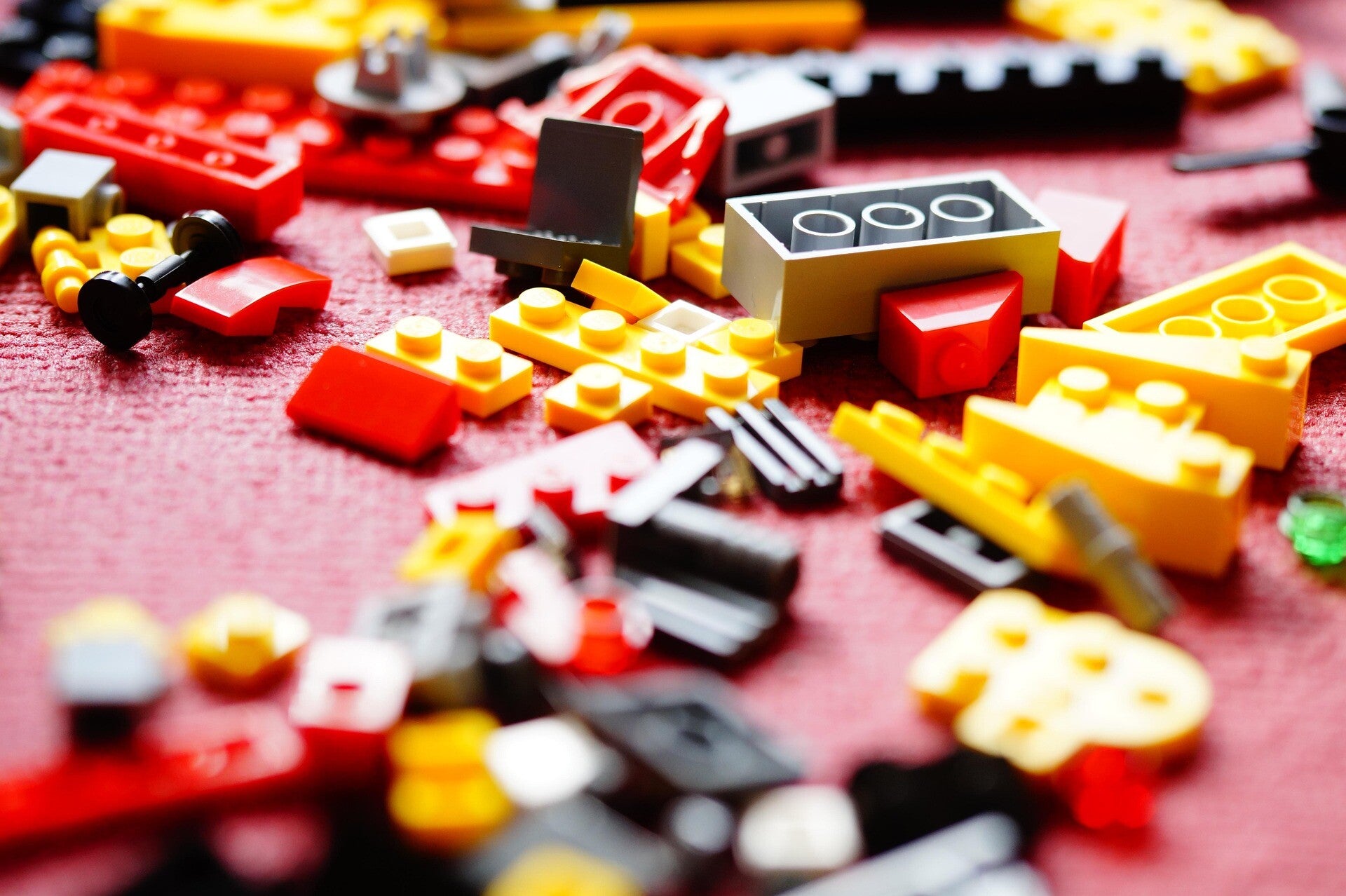
A language: like a box of LEGO?
Imagine that a language is like a big box of LEGO. The smallest pieces, such as phonemes (sounds in spoken languages) or manual parameters in sign languages, are like the basic bricks: on their own, they mean nothing. But when we combine them, we build structures with meaning: words, sentences and whole texts.
This analogy helps us to understand some key properties:
- Dual articulation: small, meaningless pieces that form meaningful units.
- Productivity: we can always build something new and original; infinite creations from a limited number of pieces.
- Recursion: we can add a piece or a structure within another, just as when we nest one sentence within another. With just a few pieces, we can make thousands of different constructions; with just a few sounds, we can create infinite messages.
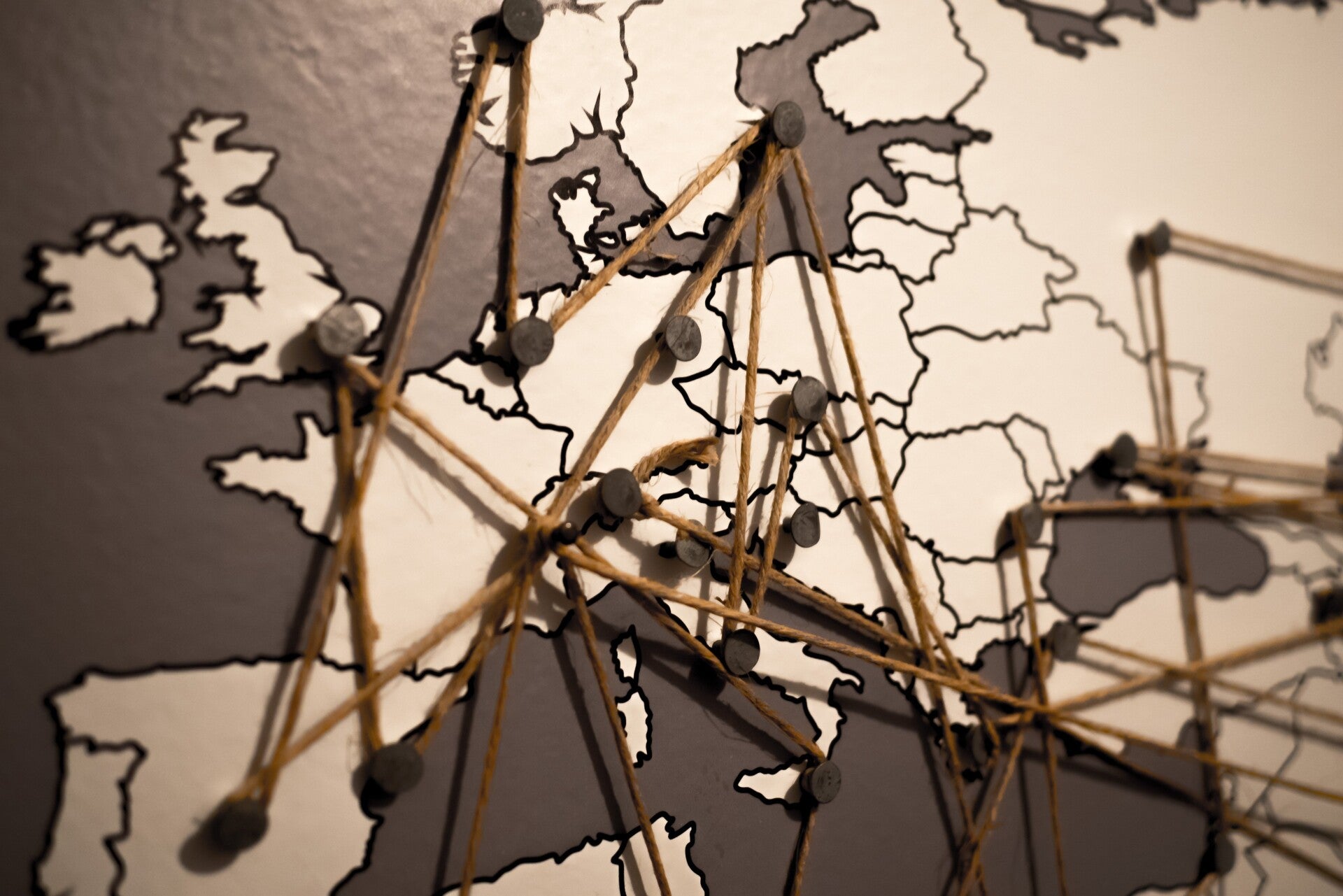
Beyond the pieces: the qualities that make us unique
In addition to dual articulation, productivity and recursion, human language has other characteristics that make it unique. One of these is arbitrariness: there is no natural link between a word and what it refers to. For example, the word ‘tree’ neither sounds like nor resembles a tree; it is a social convention.
We also have displacement, which allows us to talk about things that are not present: past or future events, distant places, or even things that do not exist. And reflexivity, which is the ability to talk about language itself, analysing its mechanisms or evaluating its use.
Language is not a static system, but a constantly changing social phenomenon. It exhibits diatopic (geographical), diastratic (social) and diaphasic (stylistic) variation. Furthermore, temporal variation enables us to understand how languages evolve. All these dimensions interact, demonstrating that language is a dynamic network of uses and forms.
It fulfils communicative, cognitive, expressive, metalinguistic and social functions, enabling us not only to convey information, but also to construct identities, maintain bonds and reflect our sense of belonging to a cultural group. For this reason, language is a social activity governed by rules, but also a space for individual freedom and creativity. It is this holistic view that enables us to understand not only spoken languages, but also other wonders such as the Silbo Gomero.