Whistled languages: the voice that bridges distances
Whistled languages represent an exceptional form of communication that demonstrates their ability to adapt to specific environmental and social conditions. Far from being mere curiosities, they reproduce fundamental elements of spoken language, ensuring mutual intelligibility among speakers. When they discover that a whistle can convey complex sentences over a distance of several kilometres, they realise that this is extraordinary proof of their linguistic flexibility.

How does a whistle become ‘language’?
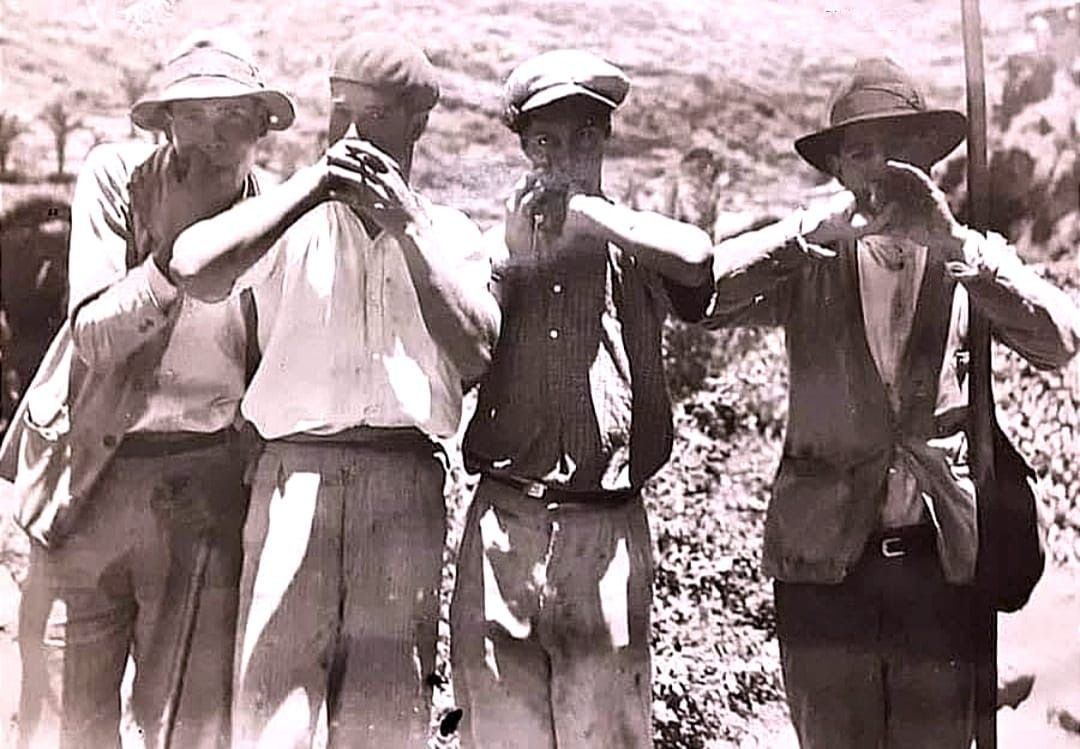
The big surprise is discovering that it is indeed possible to speak by whistling. Systems such as the Silbo Gomero are not simple codes, but rather complete adaptations of a spoken language to a different acoustic channel. The key lies in how the phonetic features of vowels and consonants are systematically transformed into variations in the frequency, duration and intensity of the whistle. In this way, the phonology, intonation and even the morphosyntactic structures of the whistled languages are preserved, enabling effective communication over long distances without losing their complexity.
Photograph courtesy of the Tourism Board of the Cabildo of La Gomera
Why a whistle and not a voice?
These languages arose from the need to communicate over long distances in complex geographical environments: mountains, valleys, islands or vast rural areas, where articulate speech is limited or ineffective. Whistling allows the signal to be projected several hundred metres or even kilometres, thanks to its high frequency and resistance to environmental dispersion. The environment shapes the way we speak, and these modes are an ingenious response and a practical solution to those specific communication needs.
Photograph courtesy of the Asociación Cultural Silbo Gomero
A testament to global human creativity
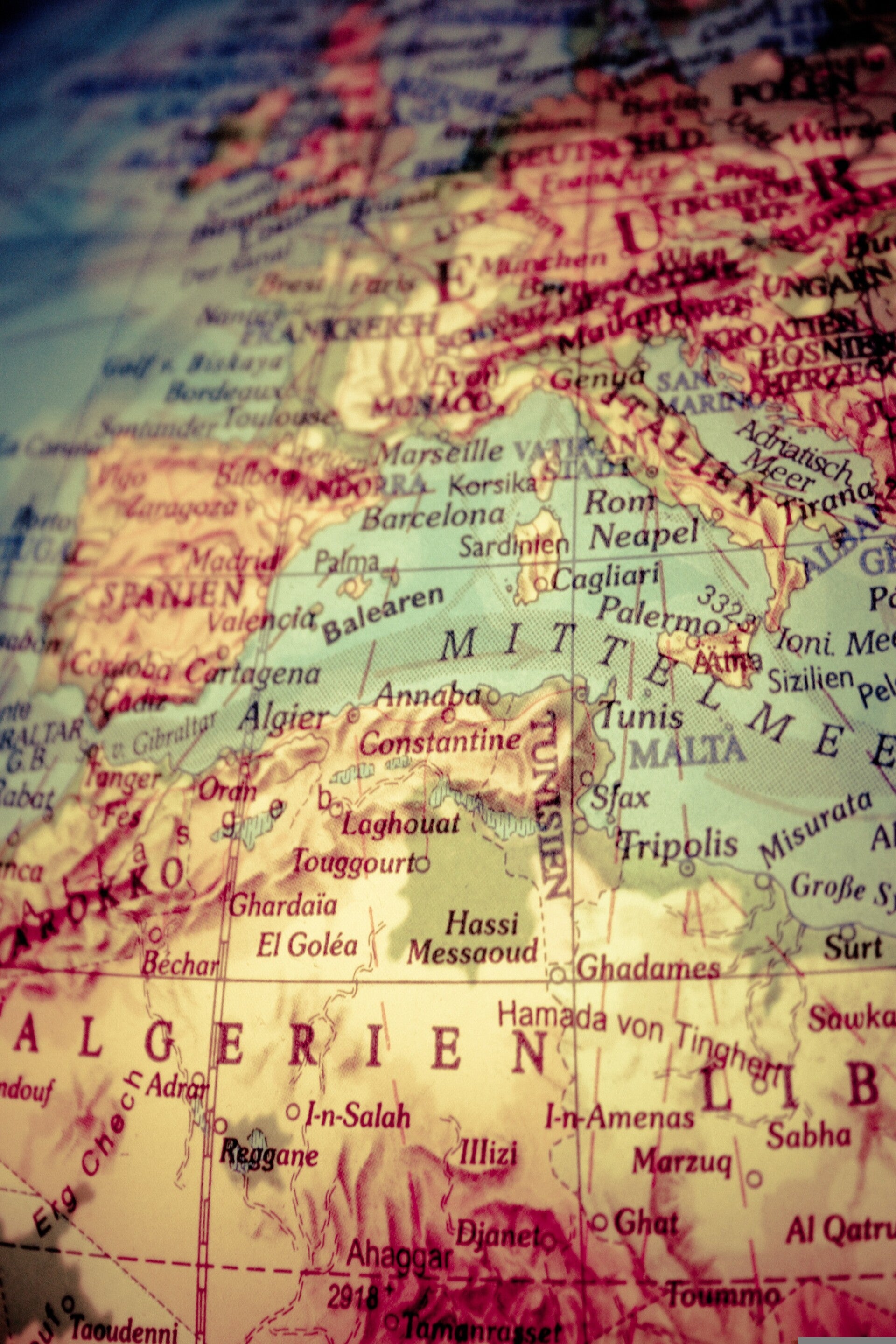
Far from being an isolated oddity, more than seventy communities with active or historical whistled languages have been documented around the world. These range from Whistled Mazatec in Mexico and Kuş Dili in Turkey to systems in Greece, West Africa and the Pyrenees. This demonstrates that it is not an exotic exception, but a recurring manifestation of the plasticity of human language. It is important to note that these are not new languages with their own grammar, but rather transformed forms of existing languages, functioning as an ‘alternative register’.